Health & Wellbeing

Why Health & Wellbeing for MYM?

Young mothers in Mombasa face disproportionate health risks. Nationally, 1 in 5 adolescent girls aged 15–19 in Kenya is either pregnant or already a mother (Kenya Demographic and Health Survey, KDHS 2022). Early pregnancies contribute to poor maternal outcomes: complications from pregnancy and childbirth remain among the leading causes of death for adolescent girls. In Mombasa County, teenage pregnancy prevalence stands at 14.8%, higher than the national average of 15%, and young mothers often report avoiding health facilities due to stigma and discrimination.

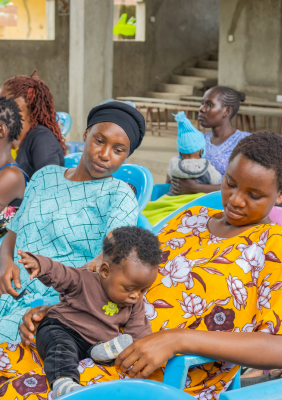
Children of young mothers are also at risk. Data shows that children born to adolescent mothers are 50% more likely to die before age 5 compared to those born to older mothers (UNICEF, 2021). Malnutrition and lack of immunization are more common where mothers are unsupported. At the same time, the mental health burden is rising — a 2021 Ministry of Health situational analysis found that 1 in 4 young women in urban informal settlements reported symptoms of depression, much of it linked to poverty and the strain of unpaid care work.

For MYM, prioritizing Health & Wellbeing addresses these intersecting risks. Through access to youth-friendly SRHR services, mental health support, nutrition and childcare education, and stronger linkages to county health systems, MYM aims to break the cycle of poor health and exclusion. When young mothers and their children are healthier, they are better positioned to pursue education, livelihoods, and leadership, driving community-wide transformation.
Broad Objective: Improving the health and overall well-being of young mothers and their children.

Strategic Objective 2.1: Increase access to maternal and child healthcare services, including sexual and reproductive health education and referrals.
Expected Outcomes:

1. Increased uptake of maternal healthcare services, including antenatal and postnatal care.
2. Improved reproductive health knowledge and reduced cases of unplanned pregnancies.
3. Strengthened referral systems for maternal and child health services.

Key Indicators:

1. Percentage of young mothers accessing antenatal and postnatal healthcare services.
2. Number of sexual and reproductive health education sessions conducted.
3. Percentage reduction in cases of maternal and infant mortality among young mothers.
4. Number of young mothers referred for specialized maternal and child health services.

Activities:

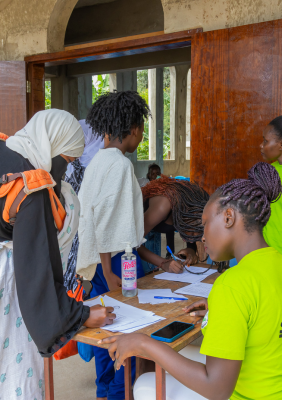
1. Partner with healthcare providers to offer free maternal and child healthcare clinics.
2. Conduct community health education sessions on reproductive health and family planning.
3. Organize mobile clinics for young mothers in underserved areas.
4. Distribute maternal healthcare kits to pregnant women and new mothers.
5. Develop an online and physical referral system for maternal healthcare services.

Strategic Objective 2.2: Provide psychosocial support and mental health services to young mothers facing socio-economic hardships.

Expected Outcomes:

1. Improved mental health and emotional resilience among young mothers.
2. Increased access to counseling, peer support groups, and mental health awareness programs.
3. Reduced cases of gender-based violence and stigma associated with young motherhood.

Key Indicators:

1. Number of young mothers receiving psychosocial counseling and mental health support.
2. Percentage reduction in mental health-related issues (e.g., depression, anxiety) among young mothers.
3. Number of peer support groups formed and active participation levels.
4. Availability of community-based mental health support centers/services for young mothers.

Activities:

1. Establish peer support groups for young mothers.
2. Provide free counseling services through trained professionals.
3. Organize mental health awareness workshops.
4. Create safe spaces where young mothers can share their experiences.
5. Develop online support networks and hotlines for mental health assistance.

Pathways of Change

Health & Wellbeing

If young mothers and their children can access youth-friendly SRHR services, mental health support, and maternal/childcare services without stigma, then they will experience better physical and emotional wellbeing, enabling them to participate more fully in education, livelihoods, and leadership.

How Can You Help?

Your donation will help us save and improve Young Mothers with research, education and emergency care.